

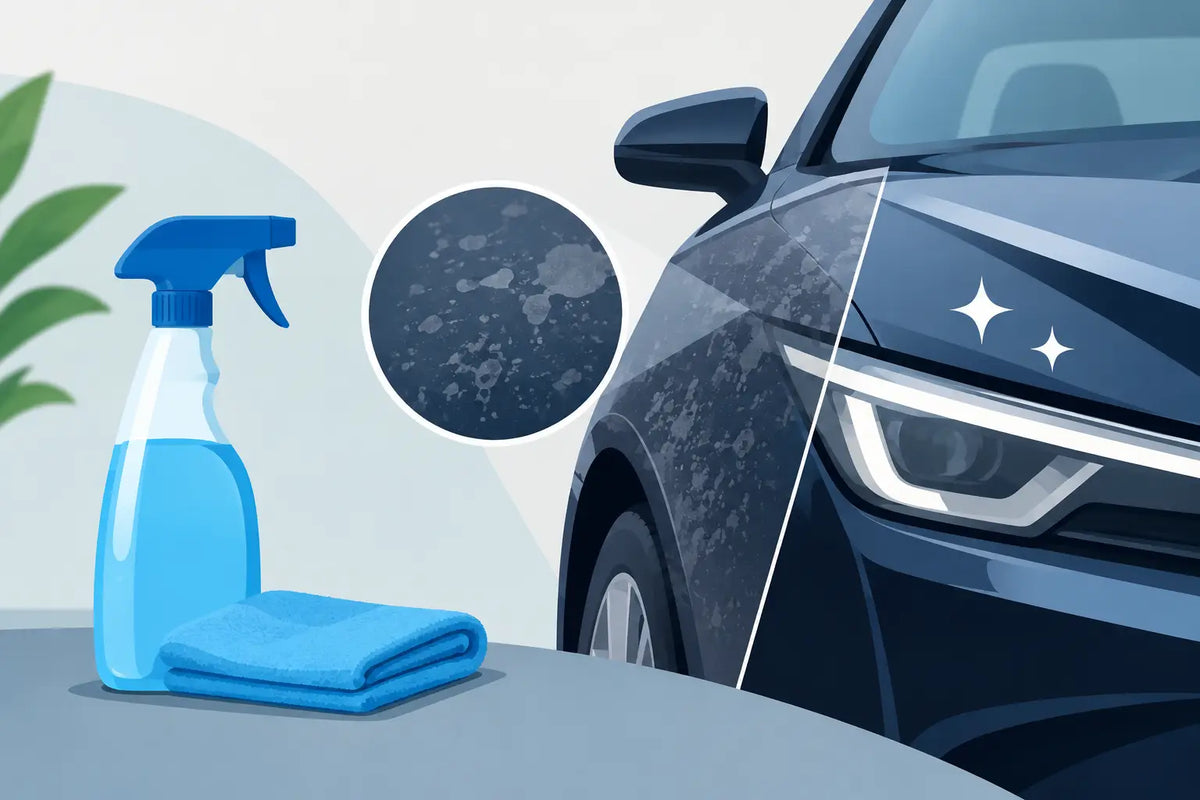
A strong cleaner on a hot door card, left to dry while you reach for a brush, can turn a routine interior job into a call-back. So, can all purpose cleaner stain car surfaces? Yes, it can - but true staining is only one possible outcome. Most problems come from incorrect dilution, excessive dwell time, poor rinsing, or using an alkaline product on a material it was never designed to clean.
That distinction matters. If you know whether you are looking at residue, chemical change, moisture marking or genuine dye loss, you can choose the right fix instead of compounding the damage.
What an all purpose cleaner actually does
An all purpose cleaner, commonly shortened to APC, is built to break the bond between contamination and the surface. Surfactants lift oils and grime. Alkaline builders help attack organic soils. Chelating agents can deal with mineral contamination, while solvents may assist with oily residues. It is useful chemistry, but it is not chemistry-free.
The stronger the concentration and the longer the contact time, the greater the cleaning power and the greater the risk. A correctly diluted APC, worked gently and removed promptly, is a highly effective maintenance tool. Used neat, allowed to dry or applied indiscriminately, it can alter delicate finishes.
Not every visible mark is a stain. A pale patch on black plastic may be dried alkaline residue. A darker patch in fabric may be trapped moisture. A cloudy spot on gloss trim may be surface haze. Each needs a different response.
Can all purpose cleaner stain interior trim?
It can, particularly where trim is porous, dyed, coated or sensitive to alkalinity. The highest-risk areas are normally not the hard, textured plastics that take most of the daily abuse. They are the materials that look premium, feel soft or have a specialist finish.
Leather and leather-effect trim deserve caution. Modern automotive leather is usually coated, not bare hide, but aggressive cleaning can disturb the topcoat, draw out dressing unevenly or leave a visibly dry patch. Perforated leather is more vulnerable because excess liquid can pool in the holes and migrate into the backing material.
Alcantara, suede-style materials and fabric inserts can watermark or develop texture changes when saturated. A cleaner might not chemically stain the fibre, yet overwetting can move existing soil to the edge of the wet area. That tide mark is what the customer sees.
Headlining is another no-shortcuts surface. The fabric is thin and the adhesive behind it does not welcome saturation. Spray a towel or soft brush sparingly, rather than spraying overhead. Agitate only as much as required, then blot dry. More product is not more control.
Gloss black, piano-black and clear-coated decorative trim may haze when a strong cleaner dries on the surface. This is often a residue issue, although repeated use of a harsh product can weaken delicate finishes. Screens, instrument clusters and touch displays should be treated as their own category. APC can leave smearing, affect anti-glare coatings or creep into edges if overapplied.
Exterior surfaces that need restraint
Automotive paintwork is more chemically resilient than most interior materials, especially when protected, but it is not invincible. On a cool panel, with the right dilution and thorough rinsing, an APC is unlikely to stain sound clear coat. Problems appear when it dries in direct sun, is used too strong, or meets a compromised surface.
What looks like a paint stain may instead be a stripped wax or sealant patch. The panel then behaves differently in water and appears duller or darker than the surrounding protected area. That is a protection failure, not necessarily clear-coat damage.
Uncoated or poorly maintained exterior plastics are less forgiving. Strong alkaline cleaners can leave chalky-looking patches, particularly if they dry. Rubber can lose its even appearance. Polished metal, raw aluminium, anodised trim and aftermarket finishes should be approached with a product specifically suited to the material. A general-purpose product is not automatically the right product simply because it removes dirt.
Matte and satin finishes need particular discipline. You cannot polish out a mistake without changing the sheen. Avoid concentrated cleaners, avoid hard brushing, and never let product dry on the panel.
The four causes behind most APC marks
When a cleaner appears to have stained a surface, one of four mechanisms is normally responsible:
- Dried residue: Cleaner solids remain on the surface and show as streaks, pale marks or tackiness.
- Chemical alteration: A high-pH formula, solvent or additive changes a coating, dye, finish or dressing.
- Moisture migration: Excess liquid moves soil, dyes or oils through fabric and leaves a ring as it dries.
- Physical abrasion: The cleaner gets blamed, but an aggressive brush, dirty microfibre or heavy pressure has actually scoured the finish.
Dilution is not a suggestion
For serious detailing, dilution is process control. It determines how much active chemistry reaches the surface and how manageable the product is during agitation. Guesswork creates inconsistency between vehicles, operators and jobs.
Start with the manufacturer’s stated ratio for the task, not the dirtiest job you have ever seen. A lightly soiled interior plastic may only need a mild solution. Greasy door shuts or tyre sidewalls may justify a stronger mix, provided the area is suitable and rinsed properly. Measure concentrate and water rather than free-pouring into a bottle.
Water quality, temperature and dwell time all change performance. On a warm summer day, a safe dilution can still become risky if it dries in seconds. Work smaller sections, keep the surface cool where possible, and remove the product before it flashes off. In winter, give the cleaner enough contact time to work, but do not use cold weather as an excuse to saturate fabrics.
What to do if all purpose cleaner leaves a mark
Stop using the product on that area. Do not scrub harder, add more chemicals or reach for a dressing to hide the evidence. First, assess whether the mark feels like residue, looks like a water tide mark, or has changed the material itself.
For suspected residue on hard surfaces, wipe with a clean, damp microfibre and then dry with a second towel. Use fresh water first. If the mark clears, the issue was removal, not permanent staining. On exterior trim or paint, rinse thoroughly and inspect the area once it is fully dry and out of direct sunlight.
For fabric or Alcantara-style material, blot rather than rub. Lightly even out the moisture across the affected section with a suitable textile approach, then extract or blot as required. The aim is controlled, even drying, not soaking the material again. A wet-vac can help when used with restraint, but excessive passes can lift fibres or disturb adhesive-backed surfaces.
If a plastic, leather coating or trim finish has visibly lightened, roughened or lost uniformity, do not mask it immediately. Photograph the area, identify the exact product and dilution used, and test any corrective product in a hidden spot. Restoration may require a dedicated trim coating, colour repair or professional assessment. No cleaner can reverse a finish that has been chemically altered.
A safer APC workflow for detailers and enthusiasts
Use APC where it earns its place: durable plastics, rubber, door shuts, engine-bay components where appropriate, tyres and controlled interior grime removal. Select a dedicated cleaner for leather, glass, screens, fabrics, wheels and sensitive finishes. That is not overcomplication. It is using chemistry with intent.
Always test a discreet area, especially on an unfamiliar vehicle or a customer car with aftermarket trim. Apply product to an applicator, brush or towel where overspray is a concern. Agitate lightly, keep an eye on dwell time, then remove all residues with a clean damp towel or rinse water. Finish by drying the surface so you can inspect the true result.
A clean surface should look clean, not artificially wet, chalky, greasy or uneven. If a product needs to be hidden with dressing, the process was wrong.
The practical rule is simple: match the cleaner to the surface, control the dilution, and never allow chemistry to dry unchecked. That is how an APC remains a fast, capable tool rather than the source of the mark you now have to explain.
Share:
How to Clean an Engine Bay Safely Without Damage
How to Protect Exterior Trim Without the Hype