

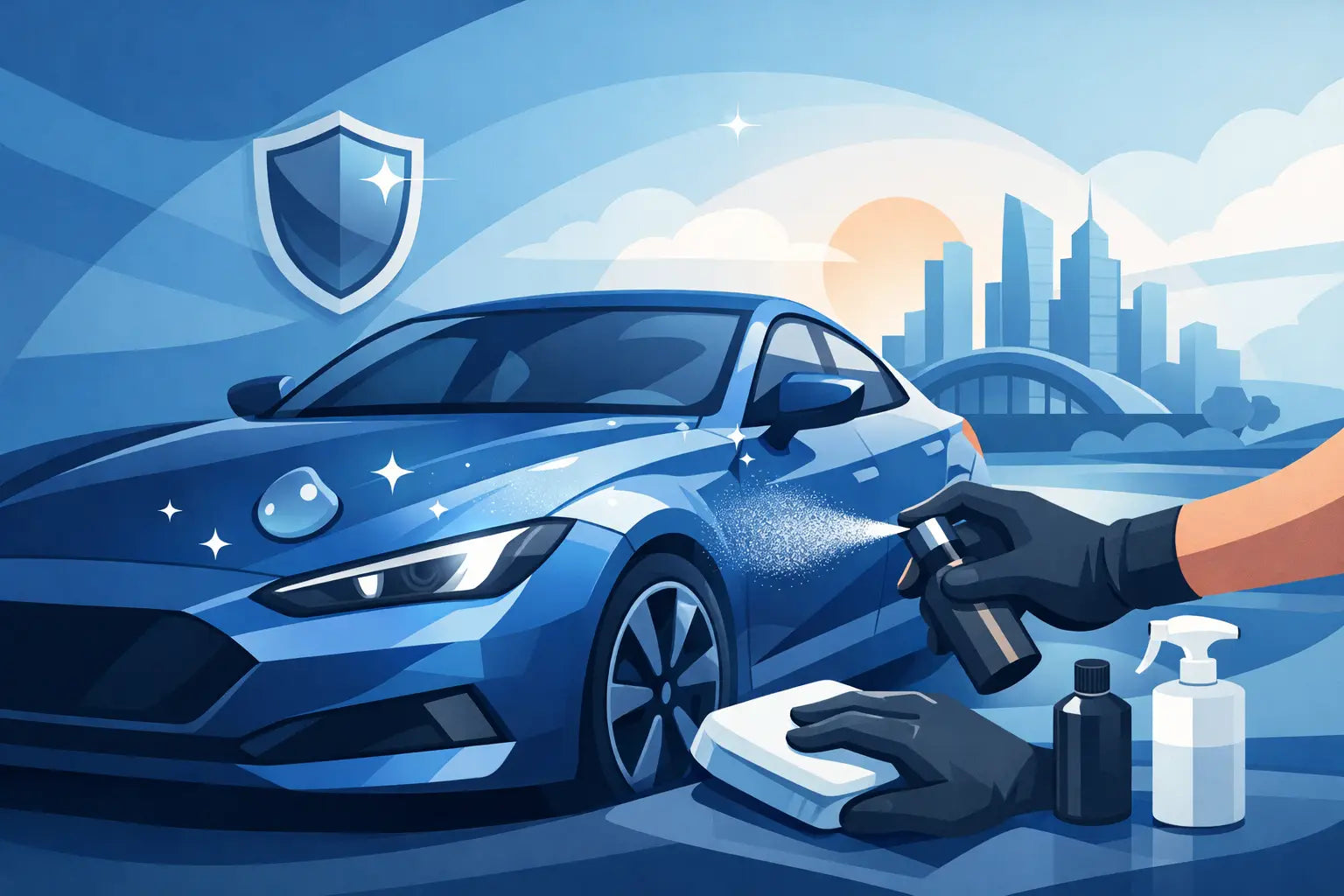
If you are searching for the best ceramic coating for cars, the wrong place to start is the label. Every bottle promises gloss, water behaviour and years of protection. The real difference is in what happens after application - how fussy it is in the bay, how it cures, how it copes with British weather, and whether it still performs once the easy marketing claims have worn off.
What actually makes the best ceramic coating for cars?
A ceramic coating is not magic. It is a sacrificial layer designed to bond to properly prepared paint and improve chemical resistance, slickness, gloss and washability. A good coating helps dirt release more easily, makes drying simpler and adds genuine surface resilience. It does not make paint invincible, stop stone chips or remove the need for maintenance.
That matters because the best ceramic coating for cars depends on the job. A professional detailer coating a client car needs predictable flash times, stable application and reliable cure behaviour. An enthusiast working at home may care more about forgiving wipe-off and a lower risk of high spots. A daily-driven hatchback parked outside has different needs from a weekend car that lives under a cover.
The strongest products on paper are not always the best products in practice. If a coating is awkward to level, highly sensitive to temperature or humidity, or punishing on wipe-down, it can cost time and create defects. Ease of use is not a soft benefit. It is part of performance.
Ignore hype and assess the coating properly
There are a few claims that deserve a closer look. Hardness ratings are the obvious one. You will see 9H everywhere. On its own, that tells you very little about real-world durability or resistance to wash marring. It is often quoted because it sounds technical, not because it gives you the full picture.
A better way to judge a coating is to look at the whole system. How thorough does the prep need to be? How narrow is the application window? What is the realistic cure time before water exposure? How long does the behaviour stay consistent once the car is in service? Does it tolerate regular maintenance washes and traffic film removers, or does performance drop off quickly?
Durability claims also need context. A quoted three-year or five-year lifespan usually assumes proper prep, correct application, suitable aftercare and sensible wash methods. On a badly maintained daily driver doing motorway miles through winter salt, the result will not match a pampered garage-kept car. Chemistry matters, but use conditions matter just as much.
The key trade-offs before you buy
Durability versus usability
Some coatings chase maximum longevity and end up less user-friendly. They may flash rapidly, become grabby on removal or demand tight environmental control. That can suit a studio environment, but it is less attractive for home users working in a cold garage or a variable British summer.
A slightly less aggressive coating that applies cleanly and cures reliably can be the smarter choice. A well-installed two-year coating will usually outperform a badly applied five-year coating.
Gloss versus practical protection
Most coatings improve gloss, but the visual gain often comes more from the prep and polishing than the coating itself. The coating then locks in that finish and changes the feel and maintenance behaviour of the paint. If you are buying purely for shine, do not ignore the correction stage.
Where coatings earn their keep is in the wash process. Reduced grime adhesion, easier rinsing and improved chemical resistance save time over months, not just on day one.
Water behaviour versus long-term stability
Everyone likes dramatic beading. It photographs well. But tight beads alone do not prove a coating is superior. Some products bead sharply at first and then flatten off quickly in service. Others maintain more consistent hydrophobic performance over time, especially with proper maintenance.
For real use, stable behaviour is more valuable than a short burst of theatrics.
How to choose the right ceramic coating for your car
Start with where the vehicle lives and how it is used. A daily driver exposed to road film, rain, bird lime and winter contamination needs a coating with good chemical resistance and easy maintenance. A high-mileage work vehicle benefits from simple washability more than ultra-warm gloss. A show car may justify a more involved coating system if finish quality is the priority.
Then look at who is applying it. If you are experienced, you can consider coatings with shorter working windows or multi-layer systems. If you are newer to machine polishing and paint prep, choose a coating known for clean application and forgiving removal. There is no value in buying a premium coating only to fight high spots because the product outran your process.
Finally, be honest about maintenance. Ceramic coatings reward disciplined washing. If the car will be run through poor wash routines, topped with random products and neglected through winter, even a strong coating will underdeliver. Protection is a system, not a shortcut.
Prep decides the result
This is where most of the outcome is won or lost. Surface preparation is not optional. Paint needs to be thoroughly washed, decontaminated and stripped of old protection, oils and residues before coating. If contamination or filler-heavy polish residue remains on the panel, bonding suffers.
For enthusiasts, the temptation is to rush from wash to coating because that is the exciting part. Resist it. Proper prep means a thorough pre-wash, contact wash, chemical and physical decontamination where needed, polishing to the desired finish, and a precise panel wipe. A coating can only bond to what it touches. If it touches residue, you have built weakness into the job.
Professionals already know this, but it is worth saying plainly - a coating is not a correction product. It will not hide poor prep for long. It may initially sharpen gloss, but it will not fix haze, swirls or embedded contamination.
Application matters more than the spec sheet
The best coating in the bottle can still become a poor result on the car. Temperature, humidity, panel temperature, lighting and towel choice all affect installation. A coating that is easy to read and level under real workshop conditions has a major advantage over one that looks impressive on a product page.
Watch for coatings that give a clear flash, wipe cleanly and do not leave you guessing. Predictability saves time and reduces rework. That matters to trade users protecting margin, and it matters to enthusiasts protecting paint.
Cure time is another point where clear chemistry beats hype. Some coatings are touch-dry quickly but still need extended protection from water, detergents and poor weather while the network hardens fully. If the vehicle must go straight back into daily use, choose a coating with realistic cure behaviour for that situation. Fast turnaround only helps if the chemistry supports it.
Maintenance decides whether the coating stays good
A ceramic coating does not end the wash routine. It changes it. Use the wrong chemicals repeatedly, let traffic film build up, or neglect decontamination for too long and performance will fade. Often the coating is still there, but it is masked by contamination.
That is why maintenance products matter. pH-neutral shampoo, sensible wash media, periodic decontamination and compatible toppers where appropriate all help keep the surface working as intended. The aim is not to bury the coating under layers of dressing or wax. The aim is to keep the coating clean enough to perform.
For UK conditions, this is especially relevant through autumn and winter. Road salt, moisture and grimy motorway use will test any protection product. A good coating should make that contamination easier to remove, but regular maintenance is still part of the deal.
So which type is best?
For most serious enthusiasts, the best ceramic coating for cars is a mid-to-high durability coating with straightforward application, realistic cure demands and strong chemical resistance. It needs to be tough enough for daily use, but not so temperamental that application becomes a gamble.
For professionals, the answer leans towards coatings that offer consistent install behaviour, strong aftercare compatibility and reliable long-term customer results. Comebacks cost more than product. Predictable chemistry is worth paying for.
If you are comparing options, favour products that make clear claims about durability, cure time and usability rather than inflated promises. That is the difference between performance-led chemistry and empty packaging. Brands built around engineered detailing systems, including Liquid Laboratories, tend to approach coatings the right way - less theatre, more repeatable results.
The best choice is rarely the one with the loudest headline. It is the coating that fits the car, the environment and the person applying it. Get that right, and every maintenance wash becomes easier. That is where proper protection proves its value.
Share:
Ceramic Coating Cure Time Explained
Ceramic Sealant vs Wax: What Actually Wins?